Website
My first real project in a studio abroad.
The context
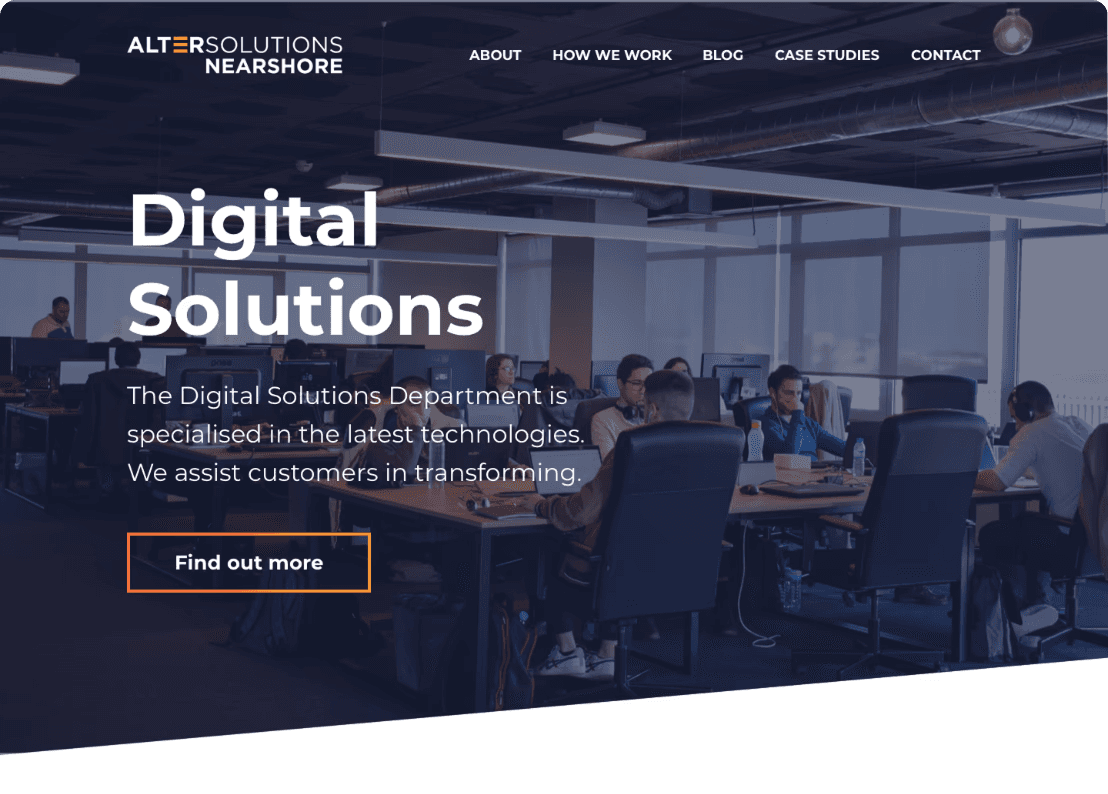
During my Erasmus traineeship I joined V-A Studio in Lisbon, an independent brand and digital product agency. Alter Solutions, a high-tech consulting firm, ran a nearshore branch in Portugal and wanted a website that set it apart from the group's other locations. Something with its own identity, not another copy of the corporate template.
The brief
Redesign the nearshore site end to end so it felt modern, fresh and distinctly theirs, while staying credible for an enterprise audience of CTOs and procurement teams looking for an outsourcing partner.
My role
I owned the project from reference research through UX, UI and an initial front-end build, working under a tutor inside the studio. It was the first time I took a real client brief all the way from a blank page to a coded homepage.
tIMELINE
A four month traineeship in 2019. Two weeks of competitor analysis, then UX, UI in two passes, and a final stretch coding the homepage before the stage ended.
The client started us with almost nothing: one logo and one very loud orange. Modern, fresh, simple were the words that had to survive every decision. So before touching a layout, I built the visual system the site would be made of.
01 • Typography
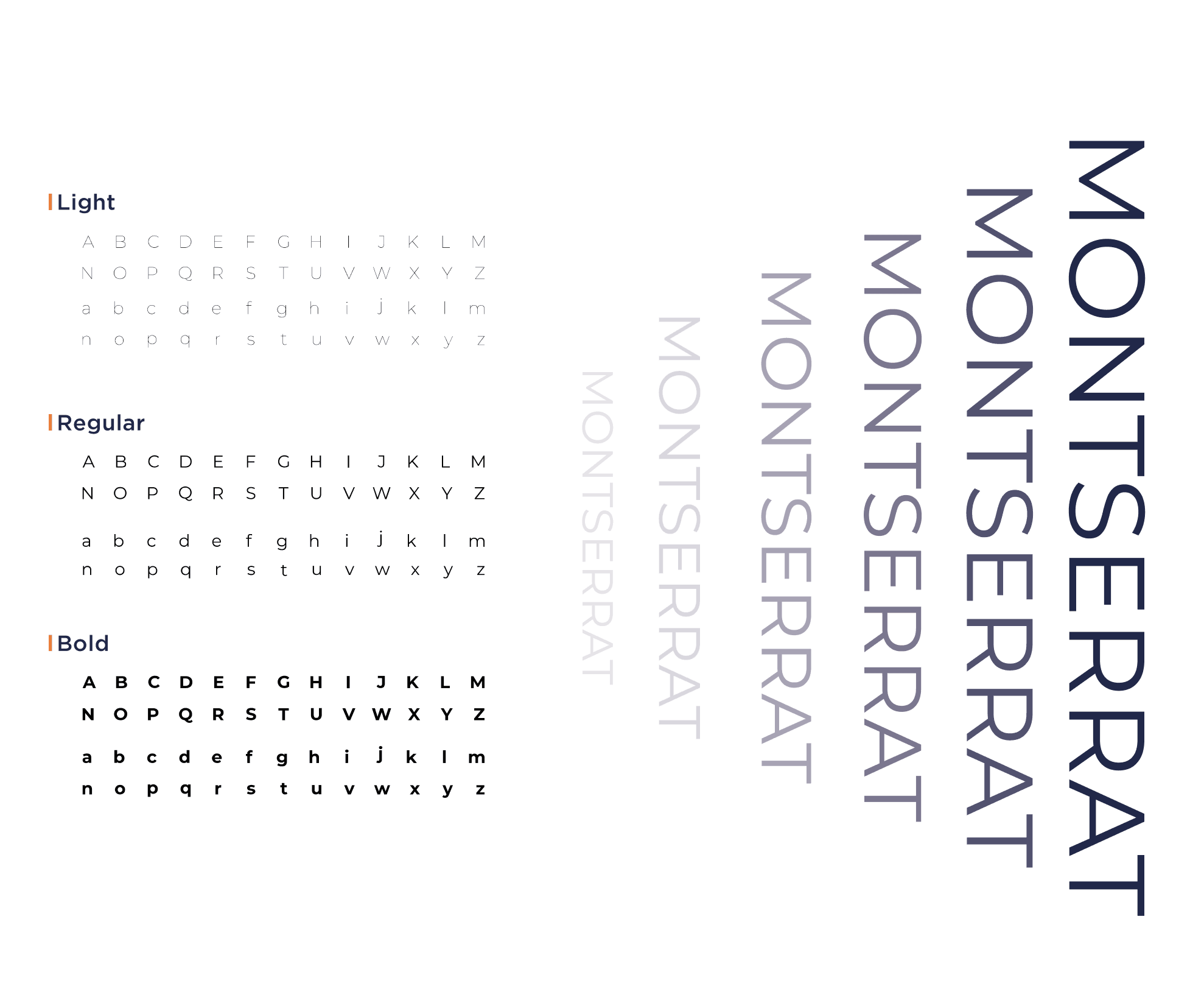
Working from the logo's geometry, my tutor and I tested two geometric sans pairings, Futura PT and Montserrat. Both read as modern and on trend without fighting the brand. We landed on Montserrat, a modernist sans inspired by old Buenos Aires signage that feels less formal than Futura, used across light, regular and bold.
02 • Color
The supplied orange was almost too heavy to use raw. Instead of toning it down, I built two gradients around it. A warm orange to amber primary for emphasis and calls to action, and a cool navy to blue secondary for surfaces, footers and anything that needed to stay calm. The warm one shouts where it matters, the cool one keeps the rest readable.

03 • Diagonals
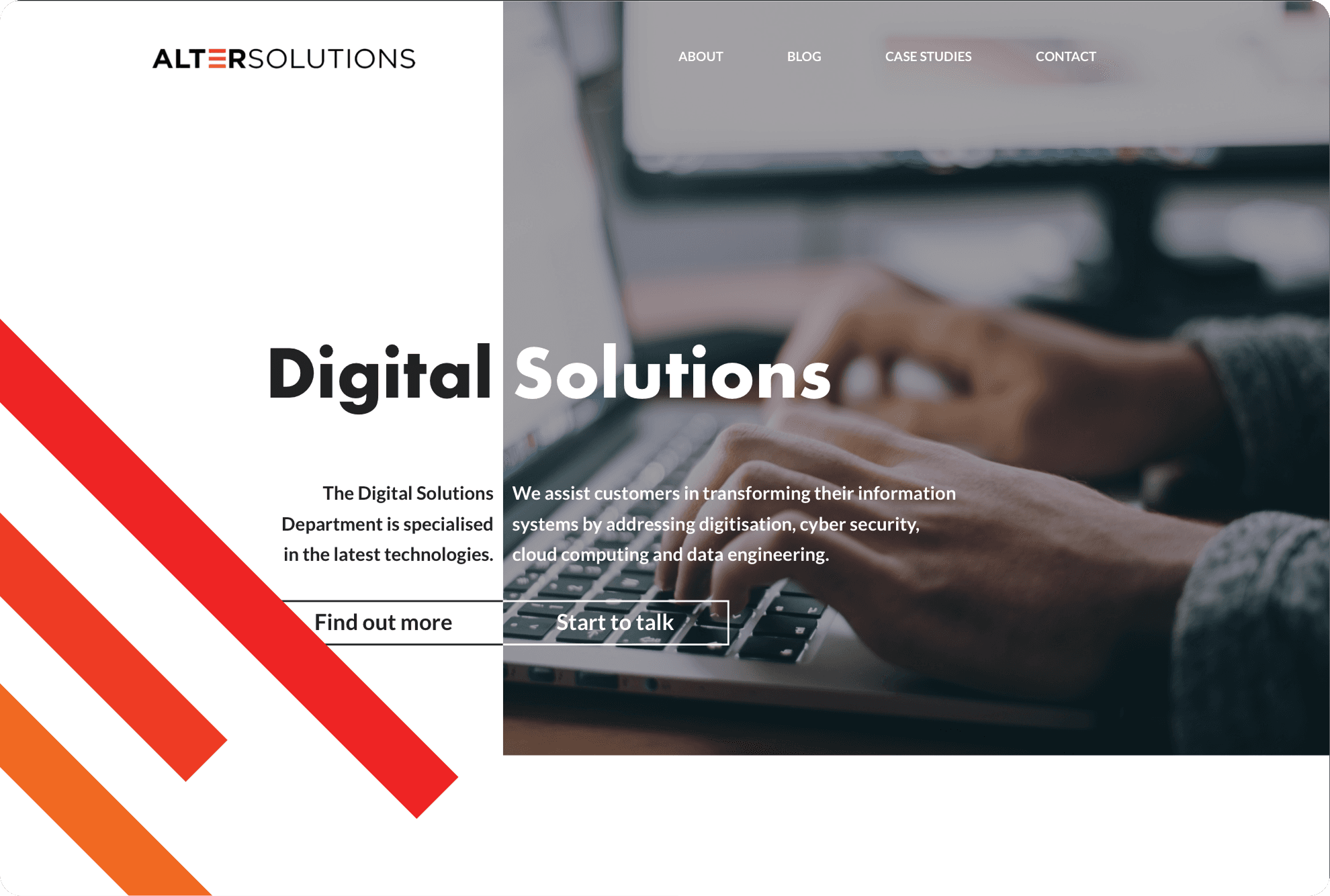
Among the assets the client shared, the diagonal cuts stood out. I pulled them into the site as a recurring motif, slicing hero images and section edges to add movement and keep an enterprise layout from feeling static.

04 • Components
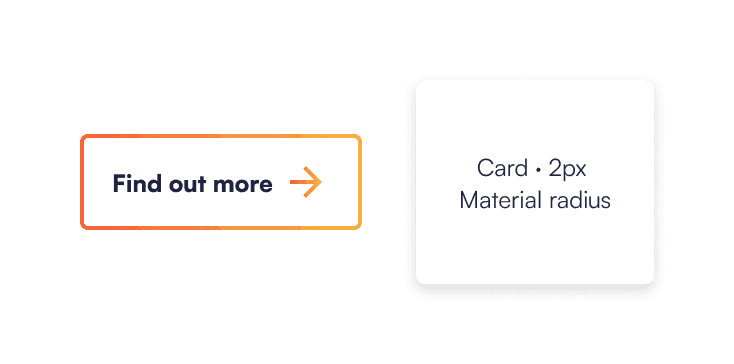
The calls to action use an outline style, so a hover state turns a small detail into a real interaction cue. That outline choice then set the tone for every icon on the site. Cards follow a 2px Material radius, kept identical wherever they appear so the system never fragments across pages.
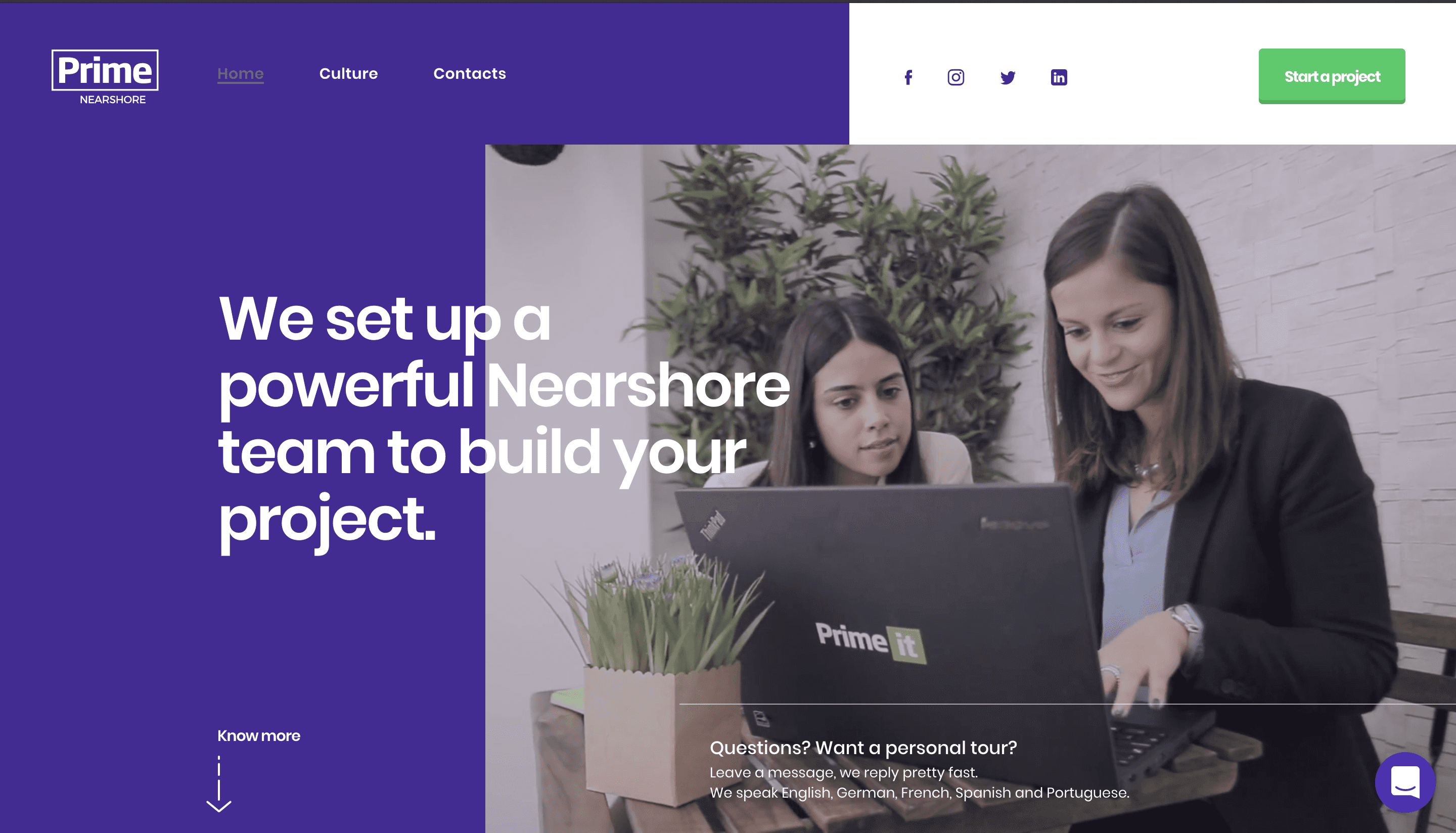
Nearshore outsourcing was a domain I knew nothing about. Before designing anything, I spent two weeks studying competitors to understand the patterns the audience already expected, and the gaps worth filling.
1
What worked
Bright, high contrast palettes that read as modern yet formal. A quote oriented call to action that turned a vague "contact us" into a guided, answerable request.
2
A gap to fill
None of the sites explained how the teams actually worked. I proposed a dedicated "How we work" section, which the client accepted with enthusiasm.
3
A structural choice
Most competitors lived on a single long scroll. Splitting content across real pages let each section breathe and made the site easier to navigate.
This is where I learned what a full design process actually feels like in practice. I worked it in five phases, the same ones I documented at the time: reference, UX, two passes of UI, and code, each feeding the next, with a tutor and a client pushing back along the way.
01 · REFERENCE
Studying a field I didn't know
Competitor analysis
Pattern mapping
Opportunity spotting
02 · UX
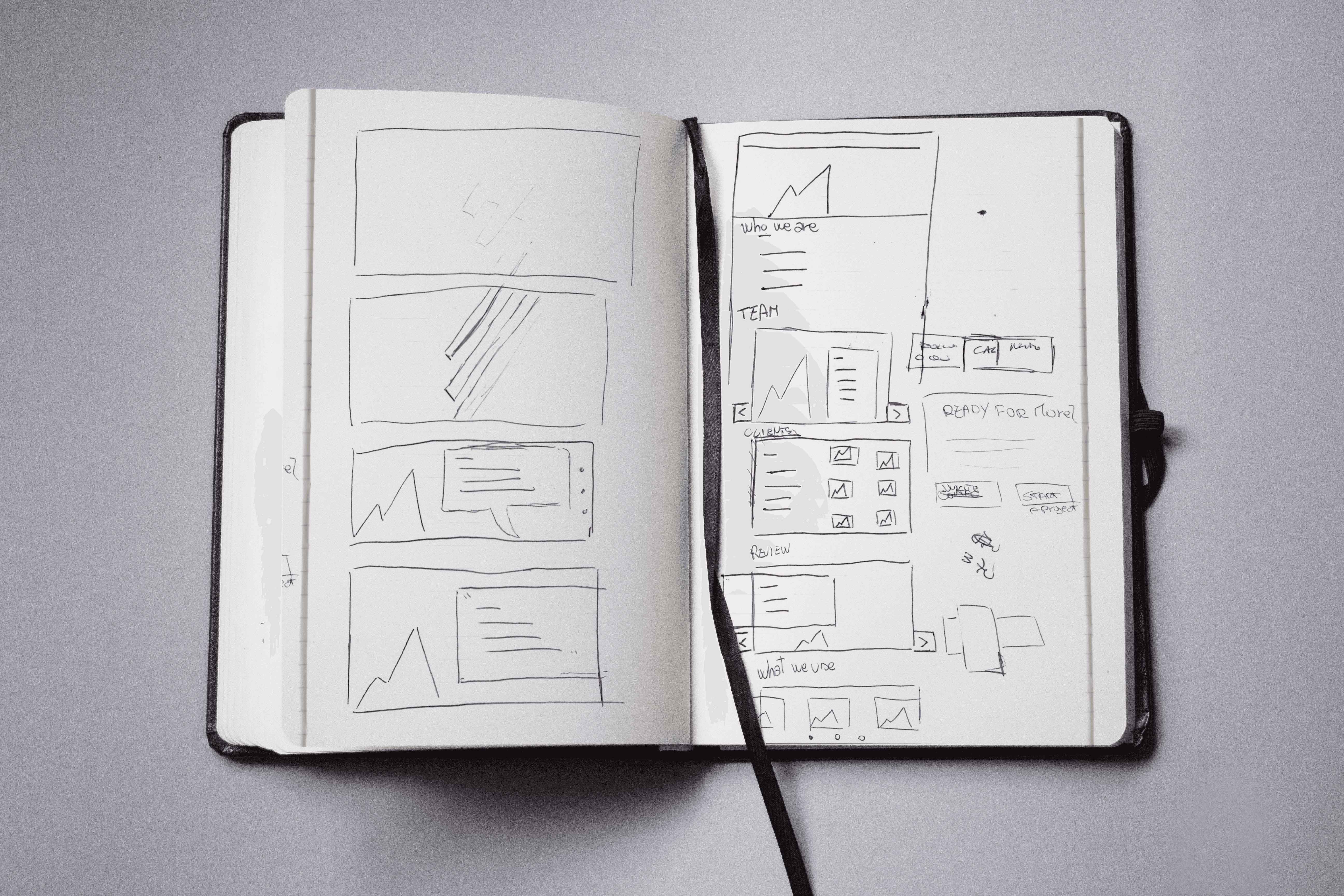
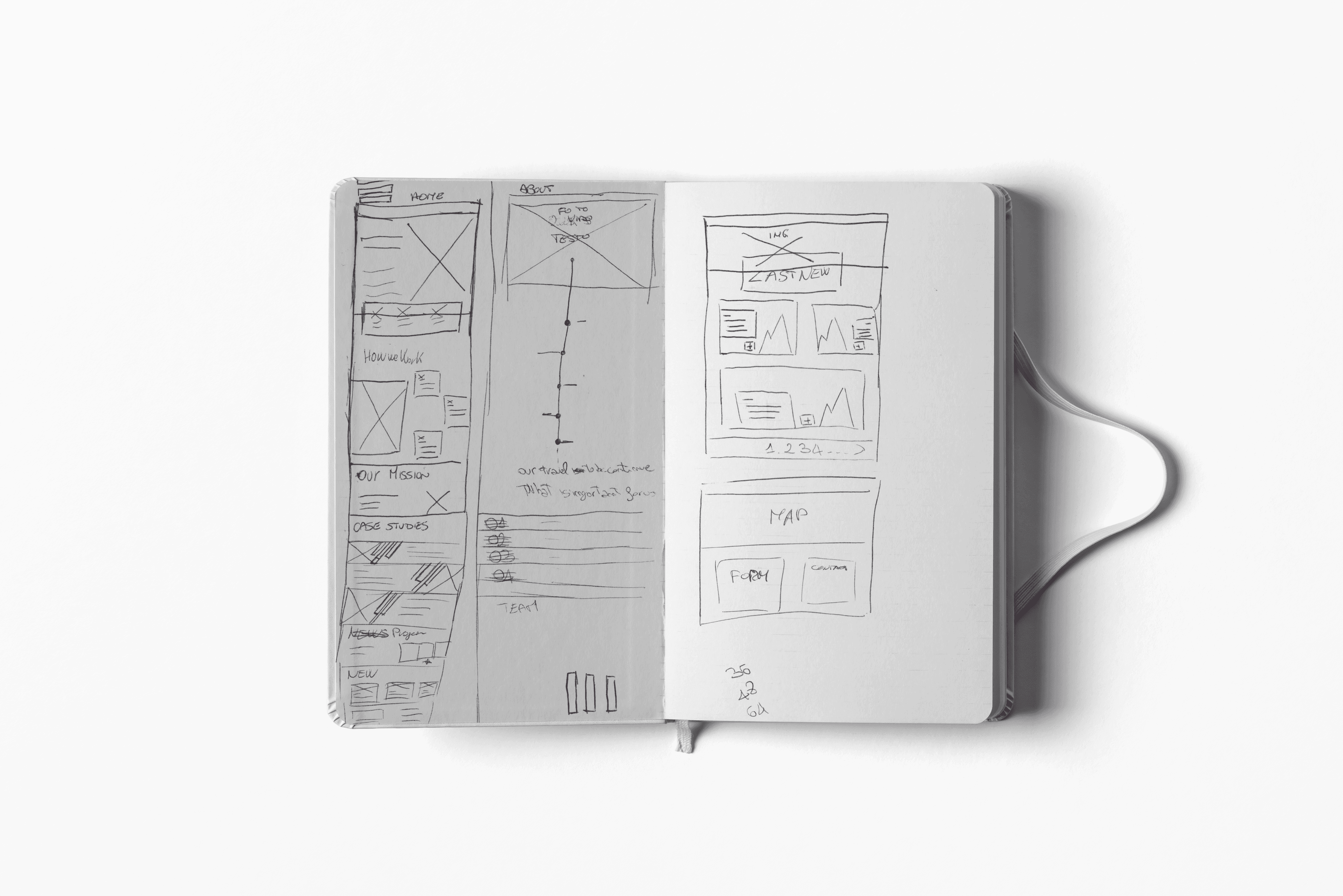
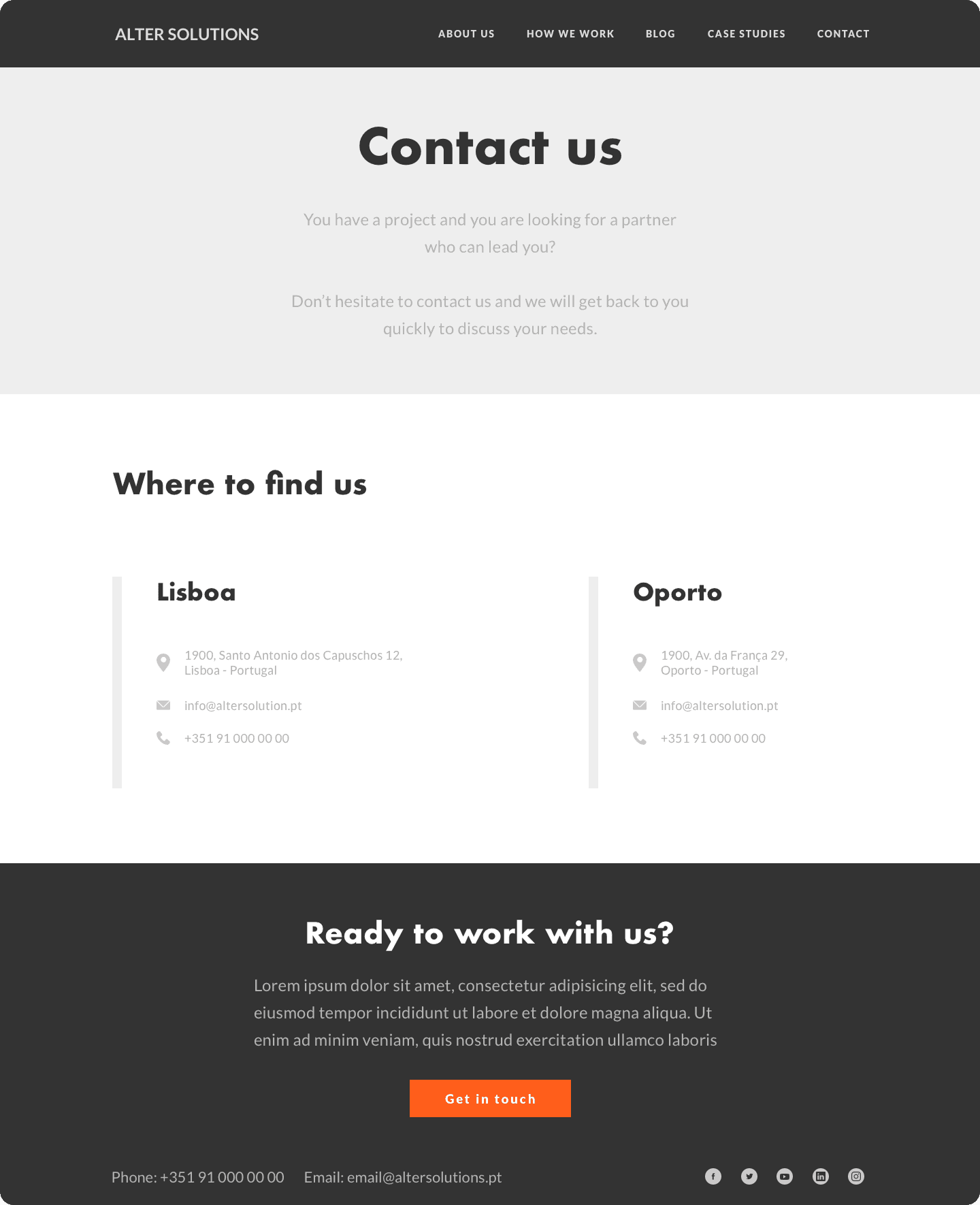
From paper sketches to a clickable prototype
Sketching
Sitemap
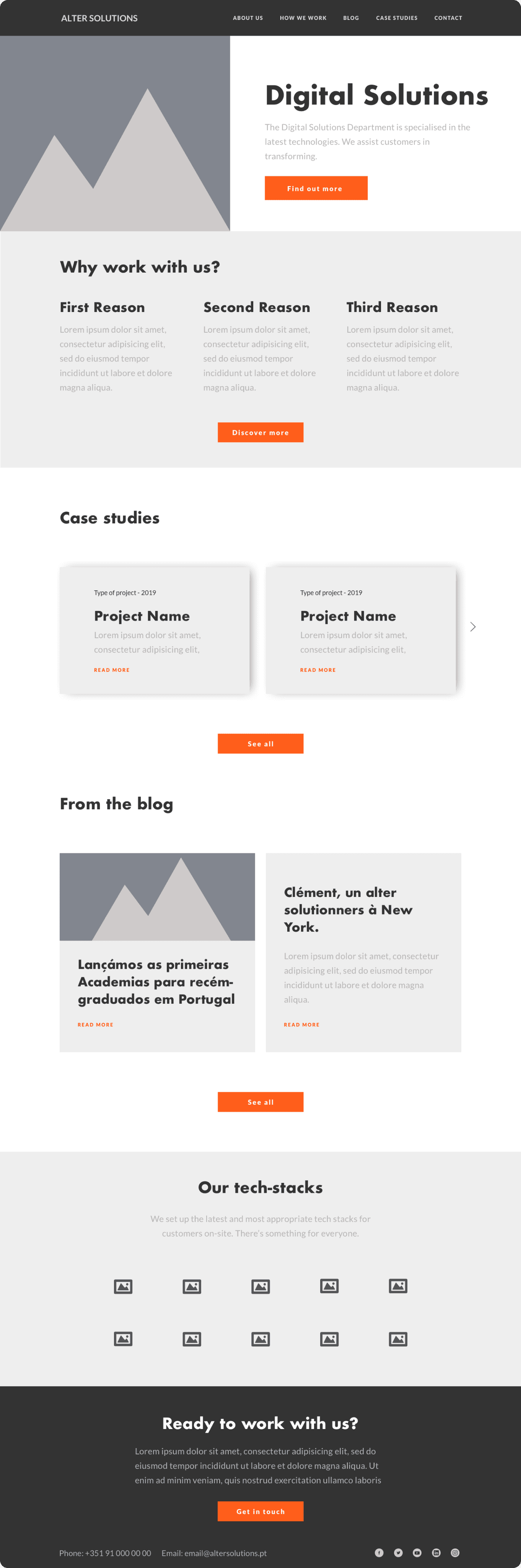
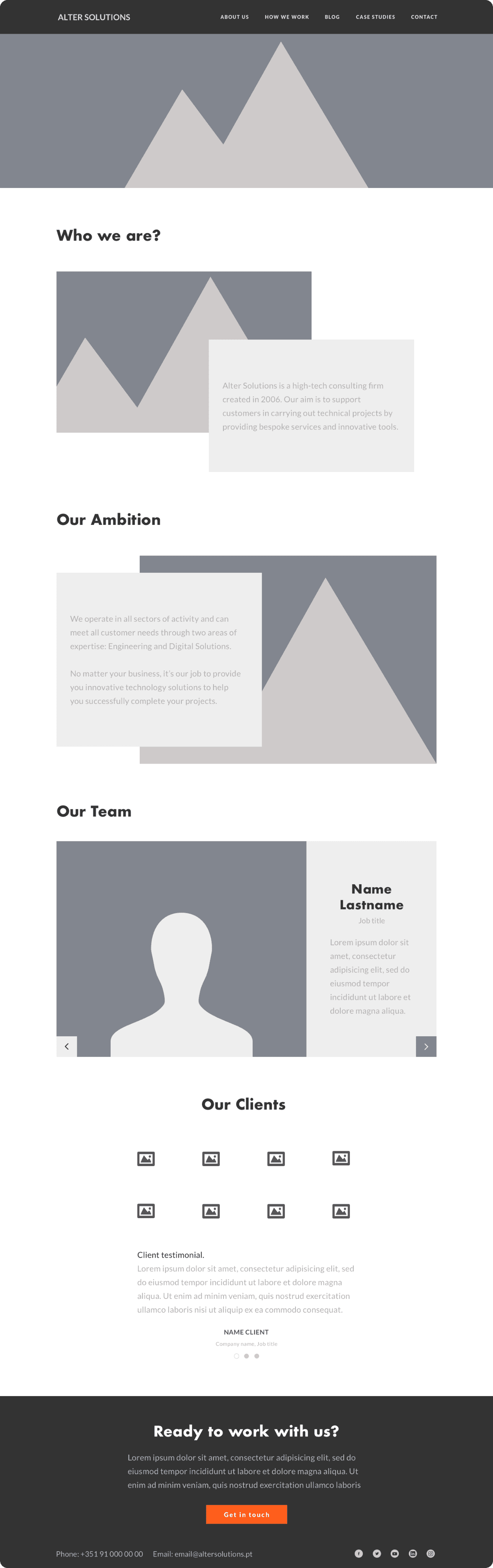
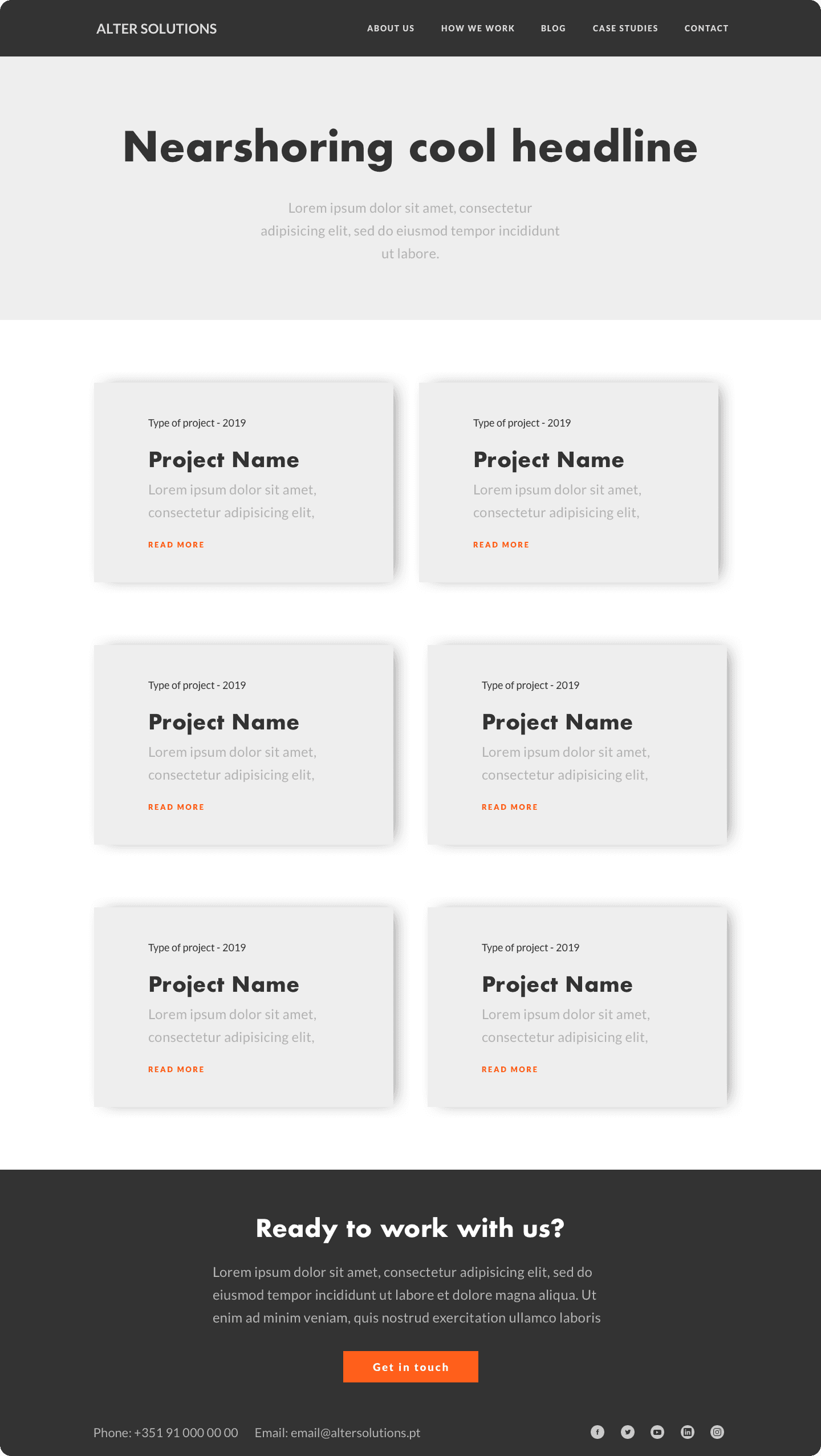
Wireframing · Sketch
03 · UI · EXPLORE
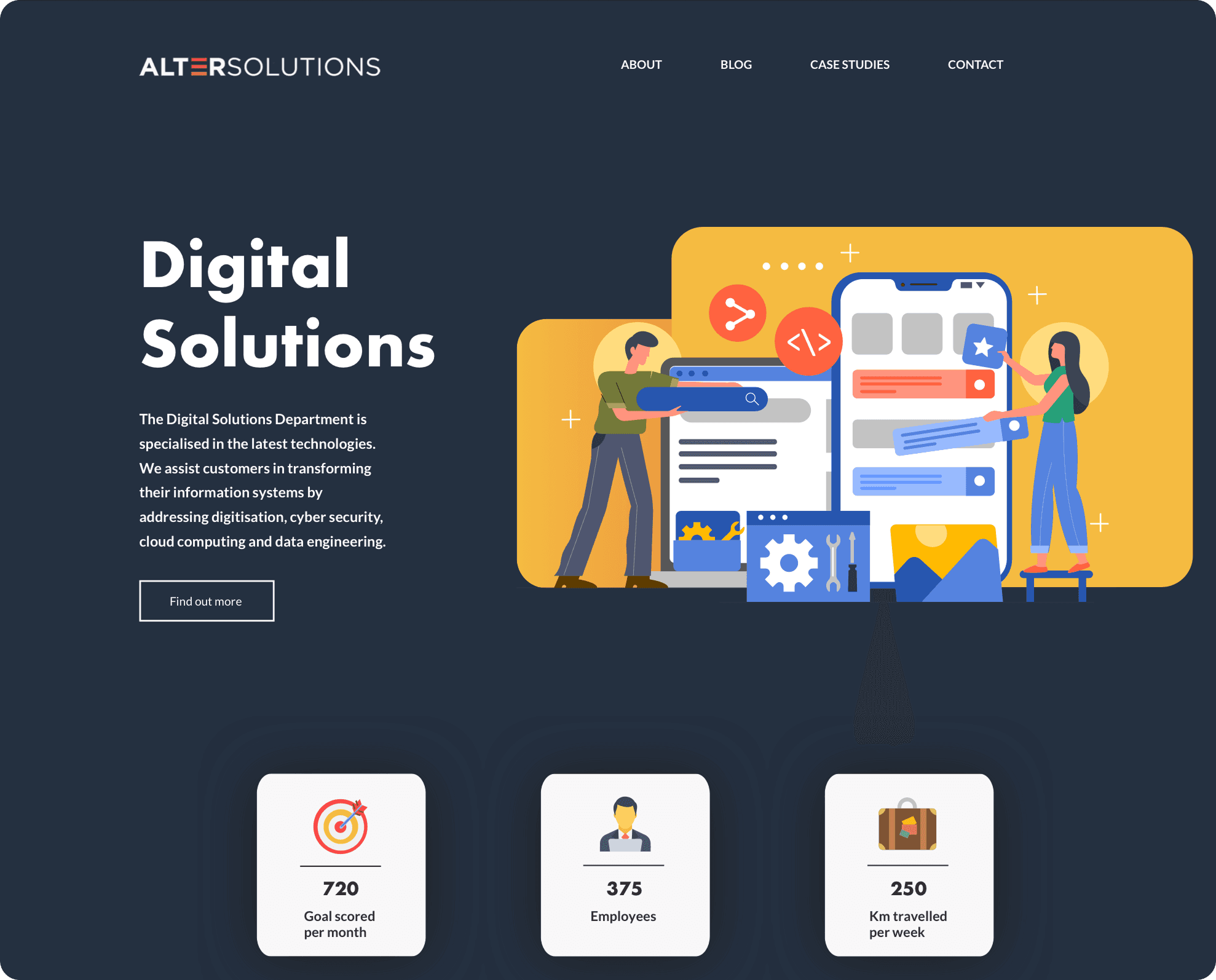
Exploring directions while the brand was undefined
Trend research
Hero variants
Divergent exploration
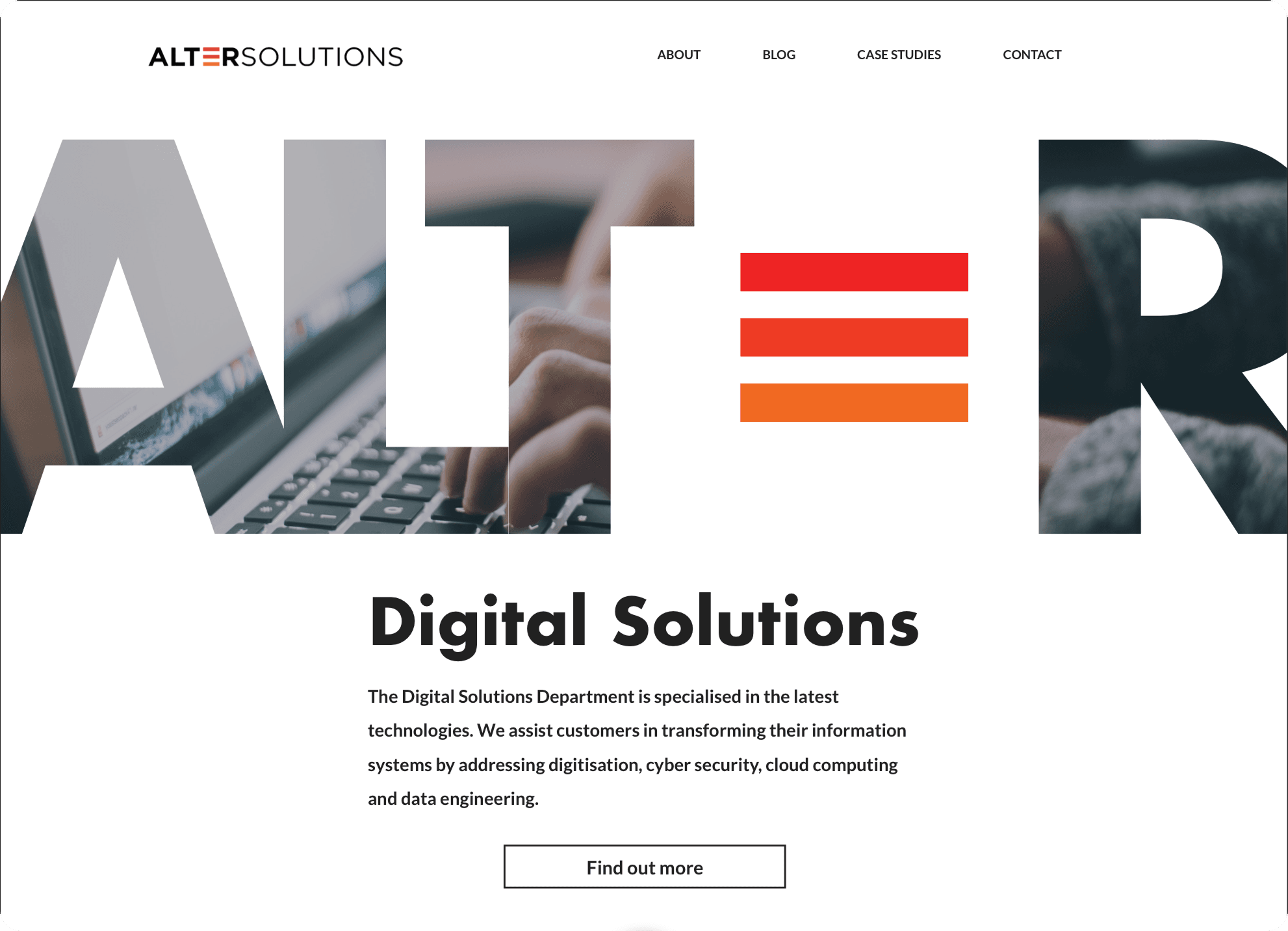
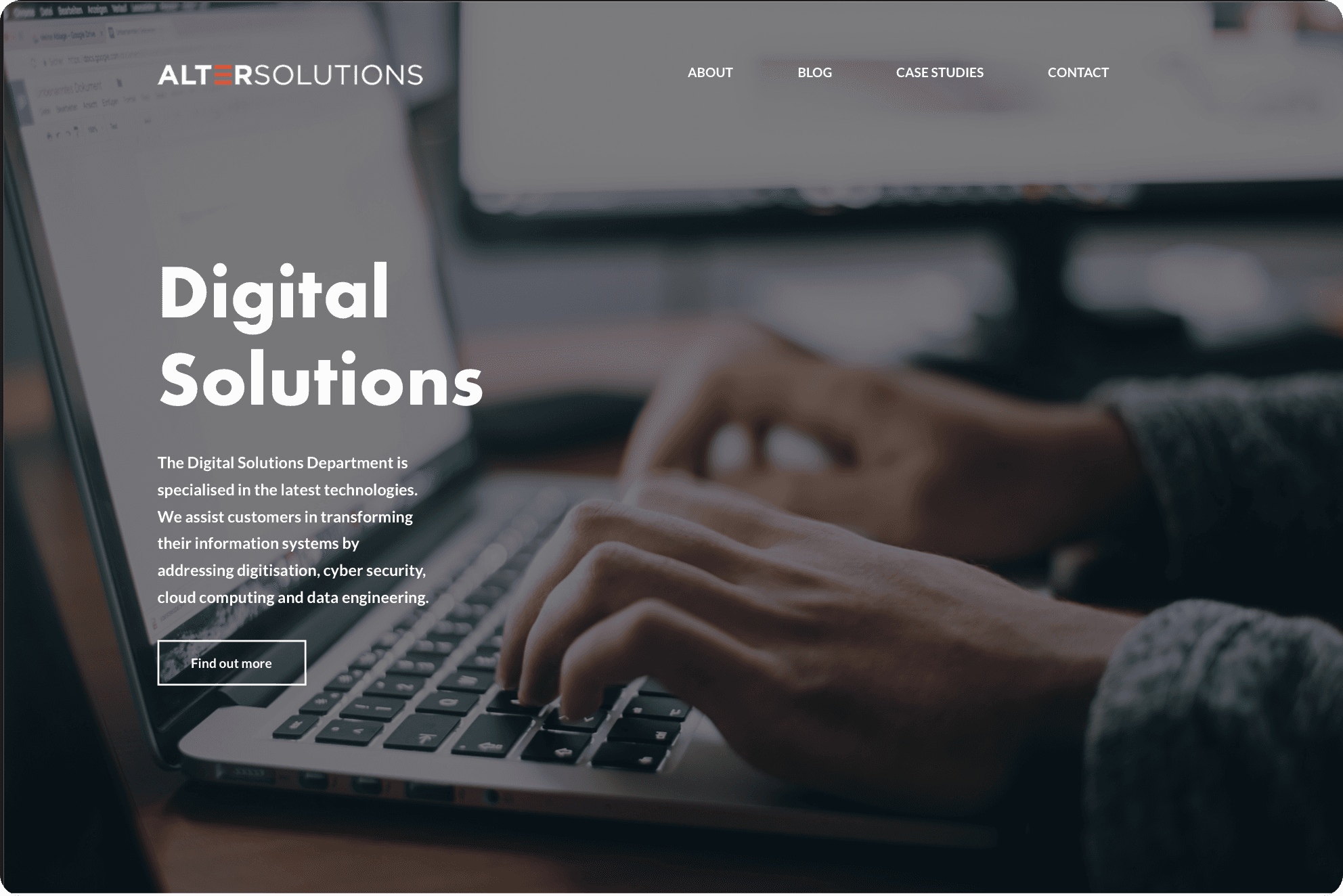
Direction chosen
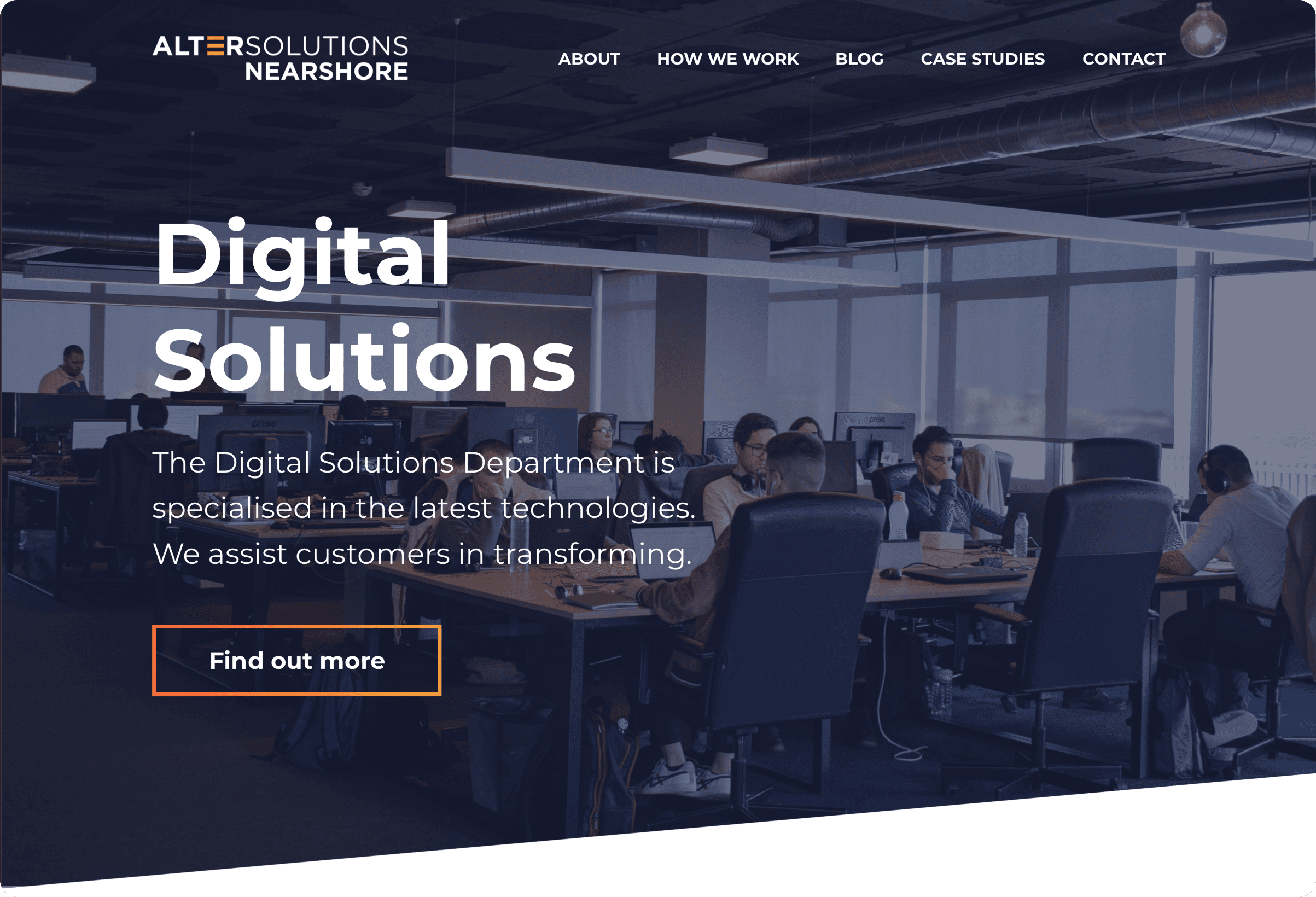
04 · UI · SYSTEM
Committing once the identity landed
Type & color
Gradients
Material cards
Design consistency
05 · CODING
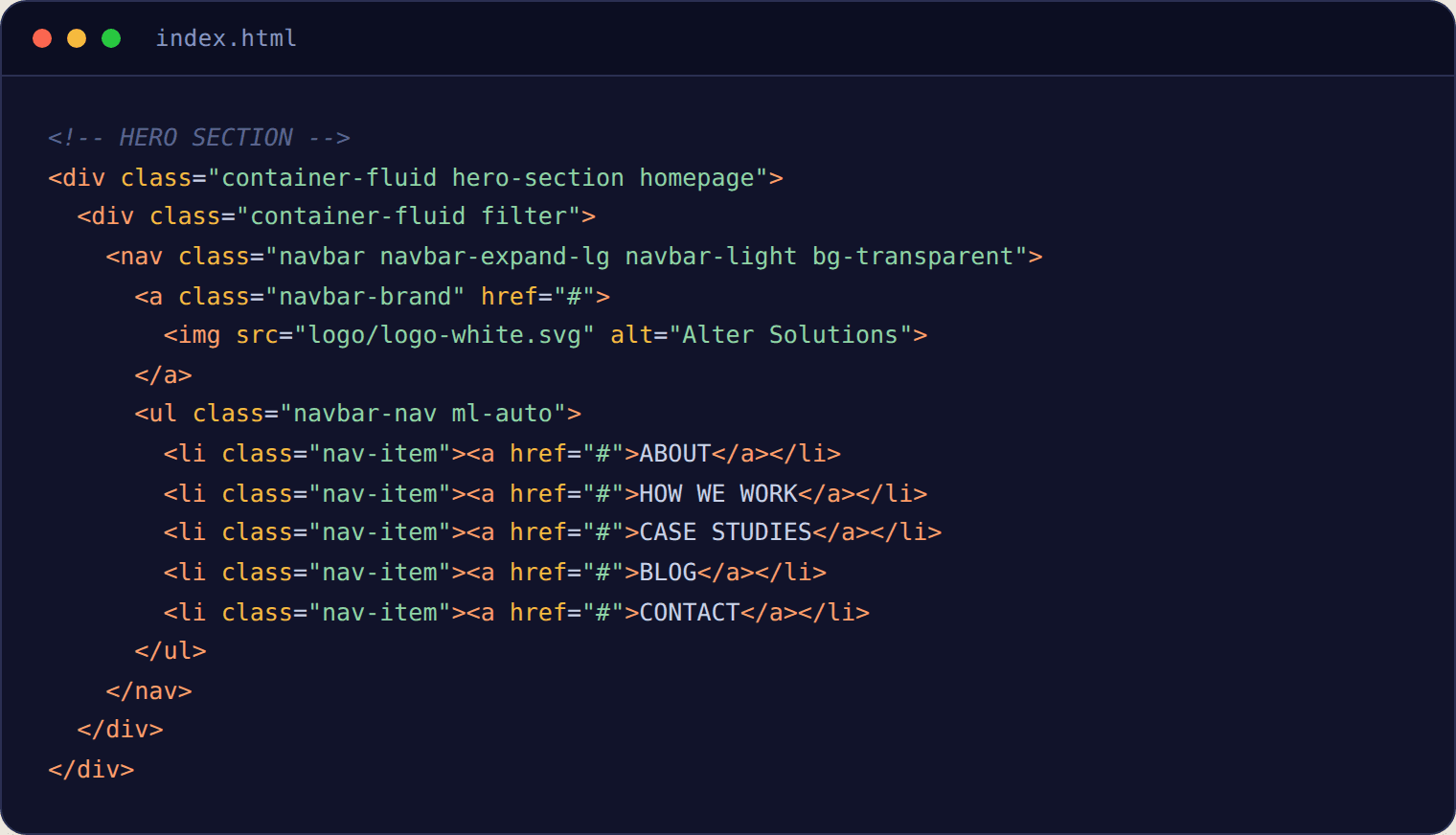
Shipping the homepage myself
HTML / CSS / JS
Bootstrap
Responsive
Design to code
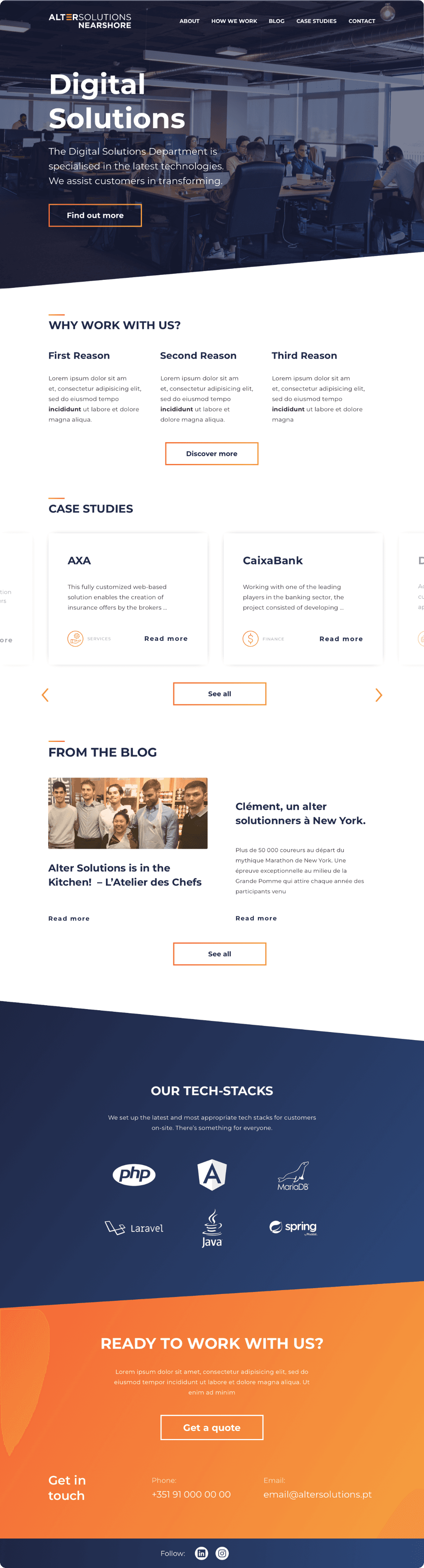
The site, screen by screen.
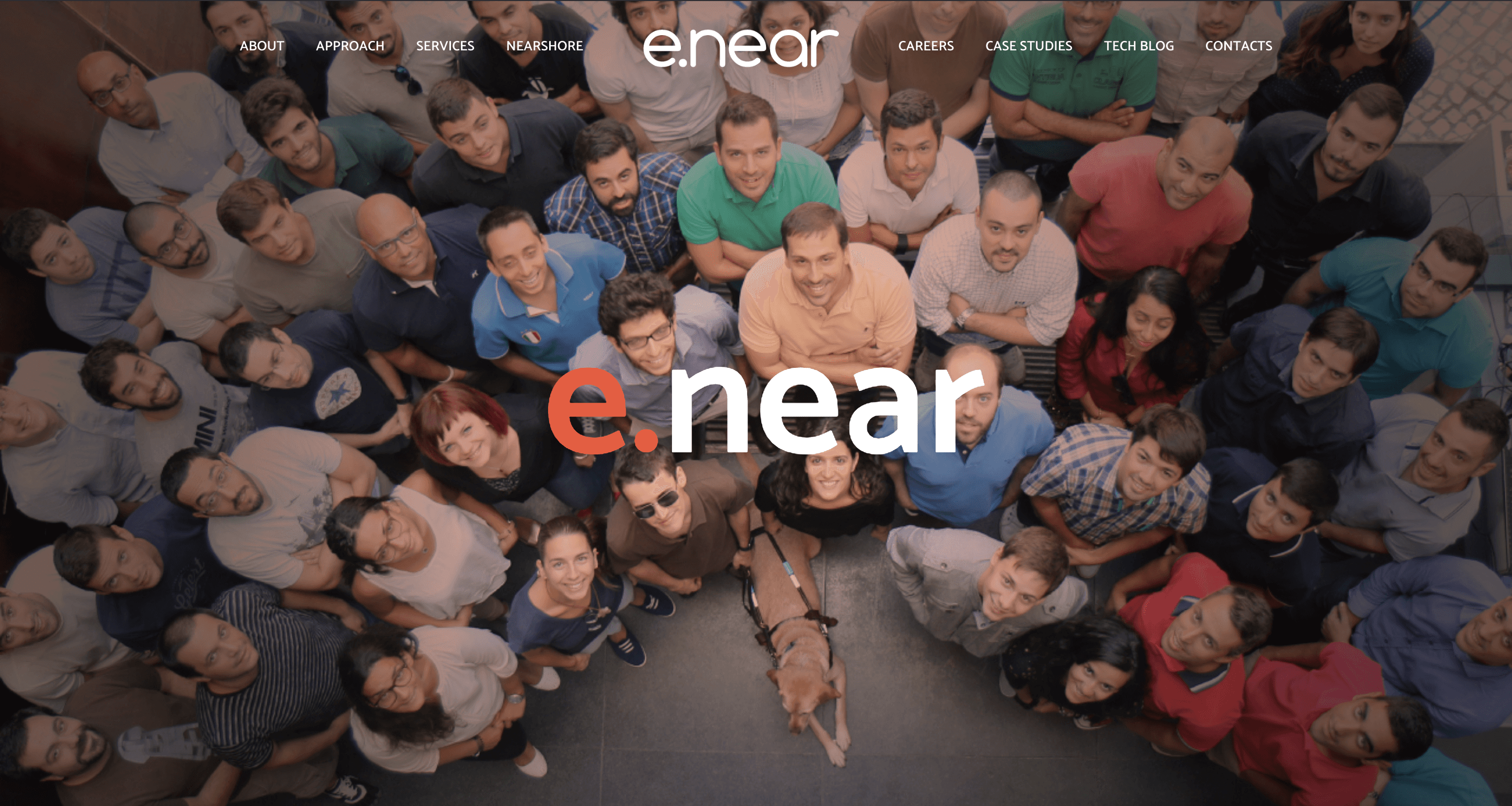
A modern, multipage site for an enterprise audience: homepage, about, the new "How we work" story, a blog, structured case studies and a guided contact flow, all sharing one visual system.
01 • Overview
MY CONTRIBUTION
Designed the full homepage from hero to footer, set the diagonal motif and gradient system, and later coded this page in HTML, CSS and JavaScript with Bootstrap.
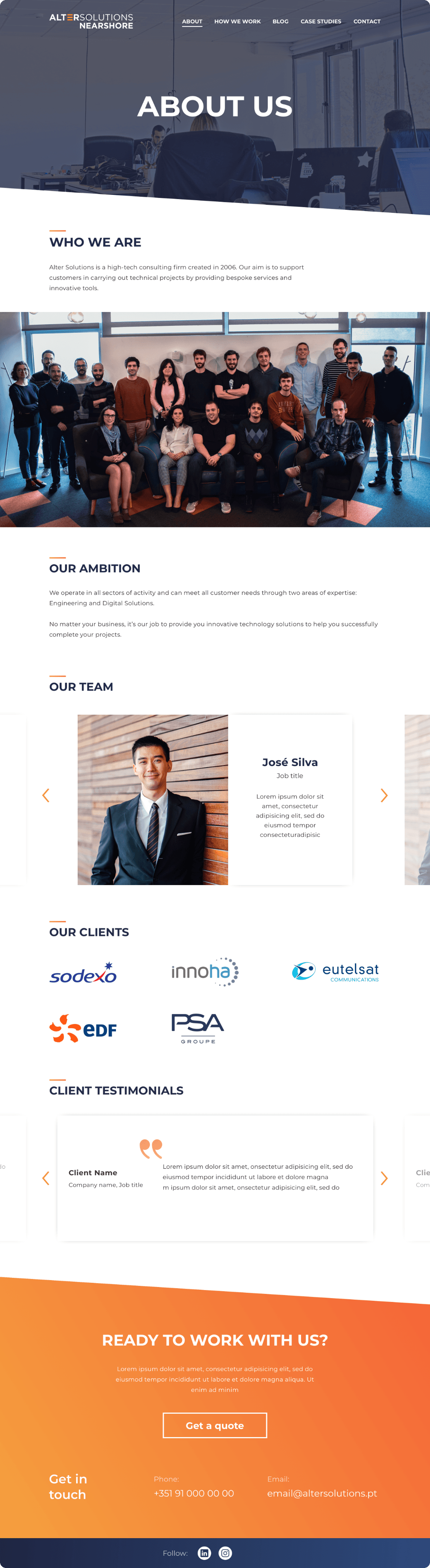
02 • Company
Who they are, their ambition, the team and the clients they work with. Following client feedback, testimonials were simplified and pulled under the client logos so the page stayed focused rather than crowded.
MY CONTRIBUTION
Structured the page hierarchy from "Who we are" to team and clients, and reworked the testimonials placement after the prototype review.
03 • Differentiation
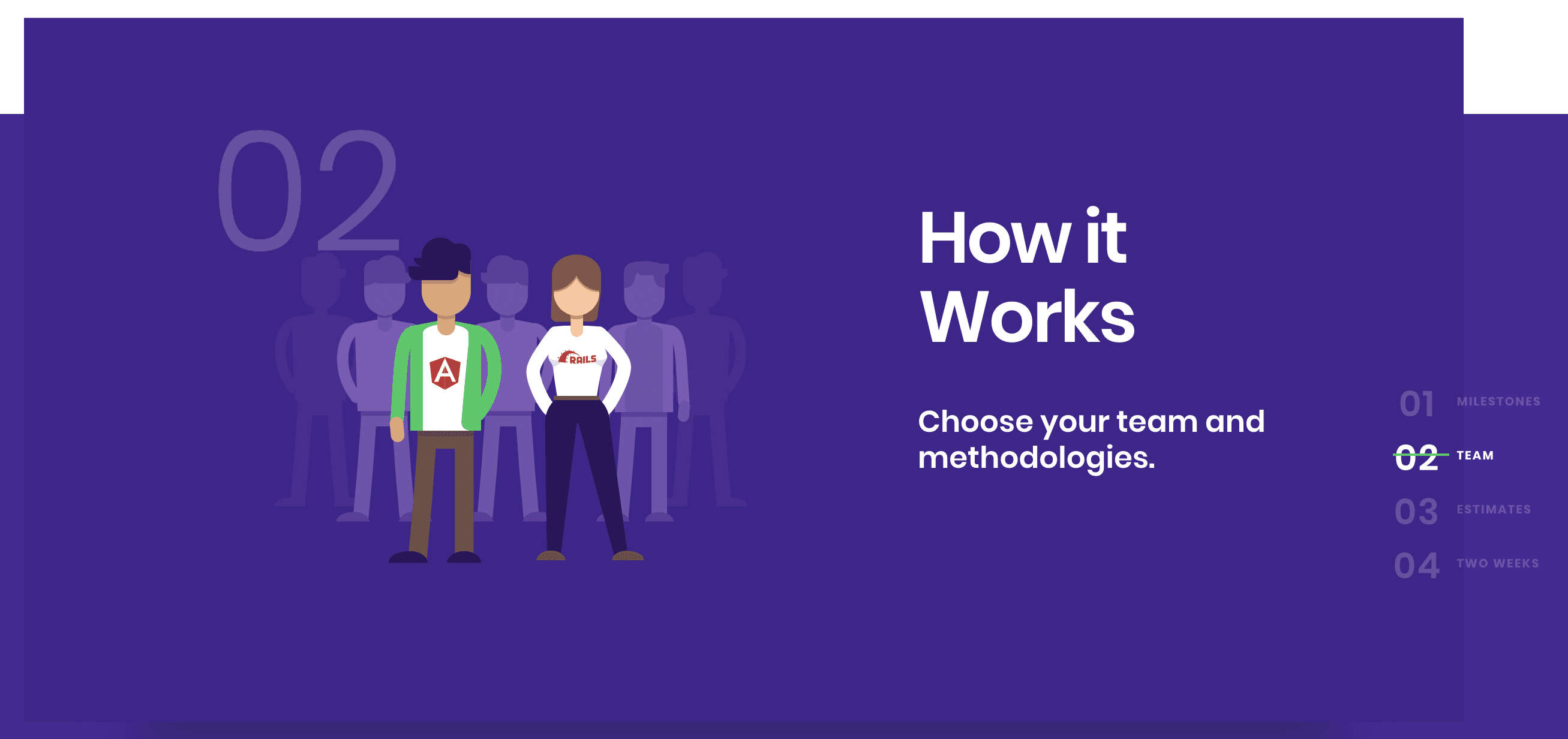
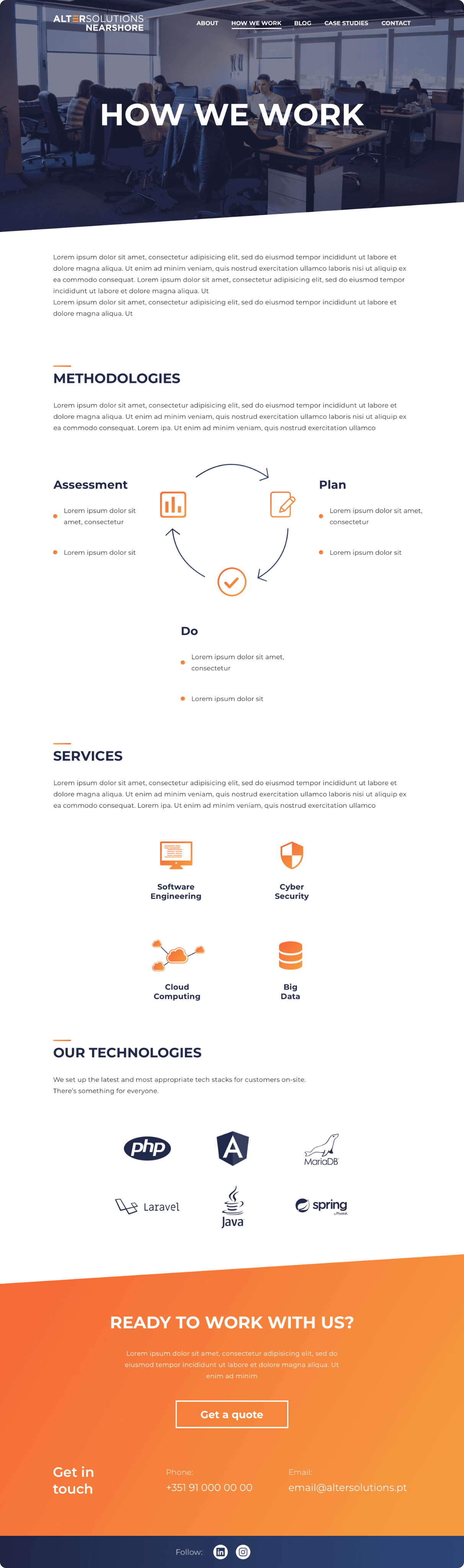
A section that didn't exist on the original site, proposed after the competitor analysis. It walks visitors through the team's methodology and process, turning an abstract service into something a prospect can actually picture.
MY CONTRIBUTION
Proposed, structured and designed the section, from the methodology steps to the supporting service and technology blocks.
04 • Content
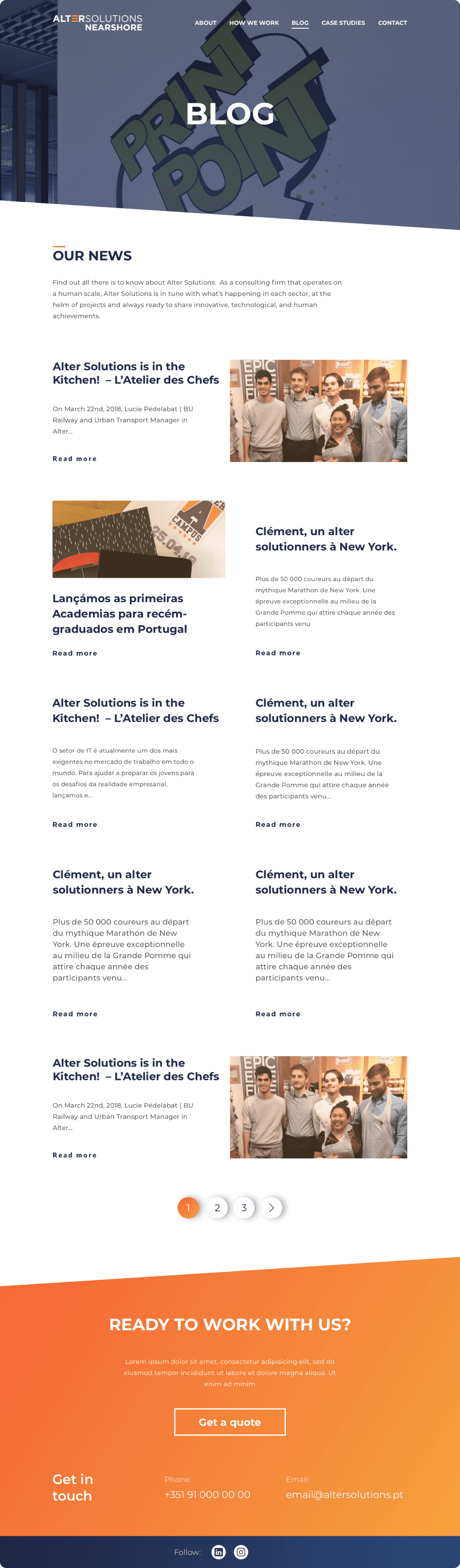
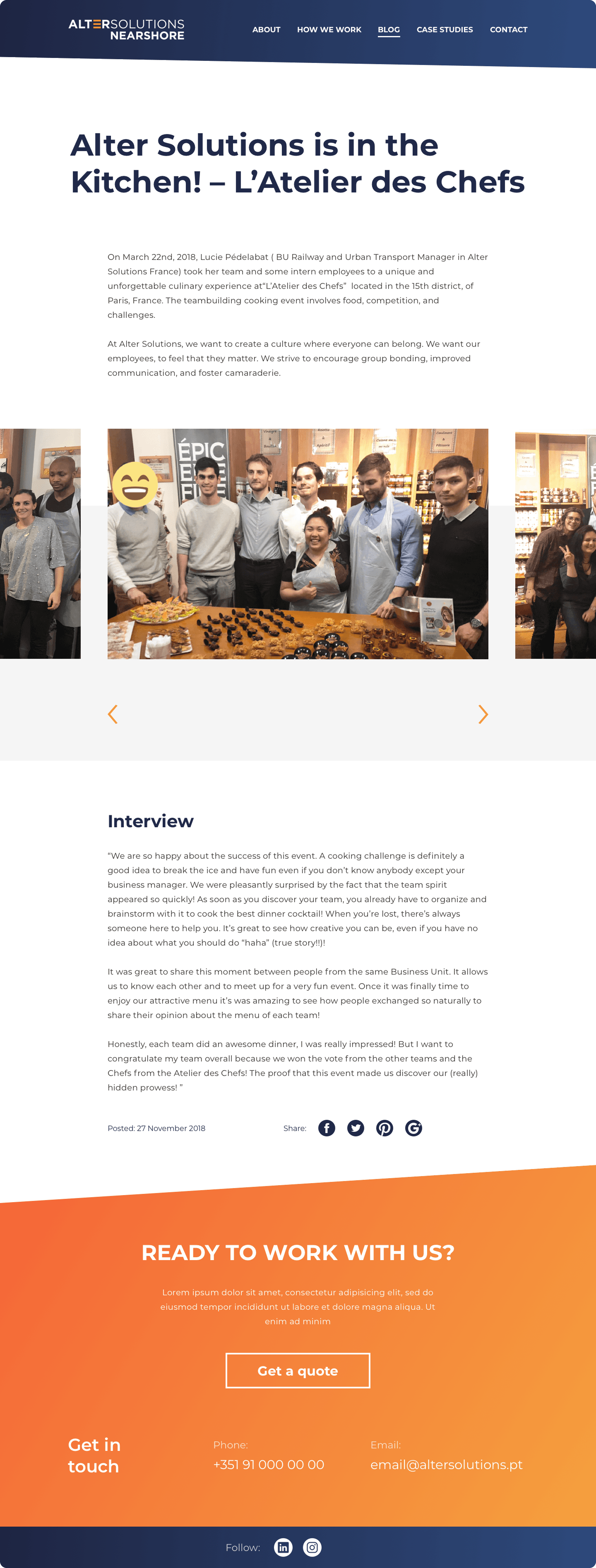
A blog index and a single news page. The blog uses a lighter, two column layout without full cards, deliberately different from case studies so the two sections never blur together. Each entry can pair an image with a title or run title only, then link to the article.
MY CONTRIBUTION
Designed both the blog list and the article page, defining a distinct card and call to action style to keep blog and case studies visually separate.
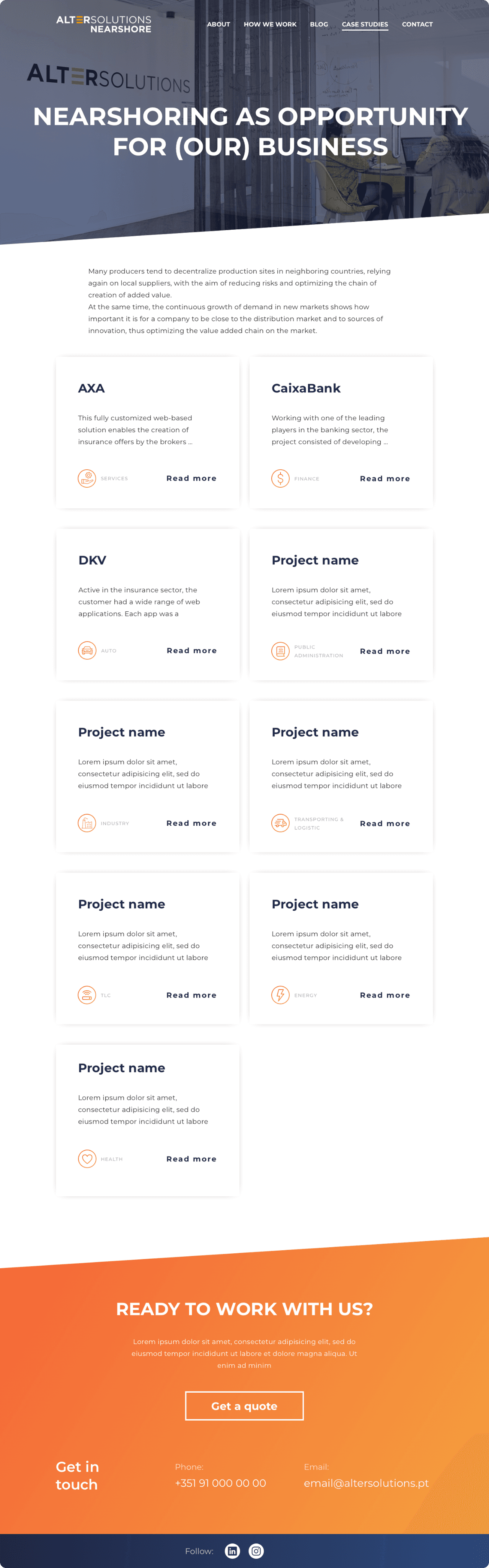
05 • Proof
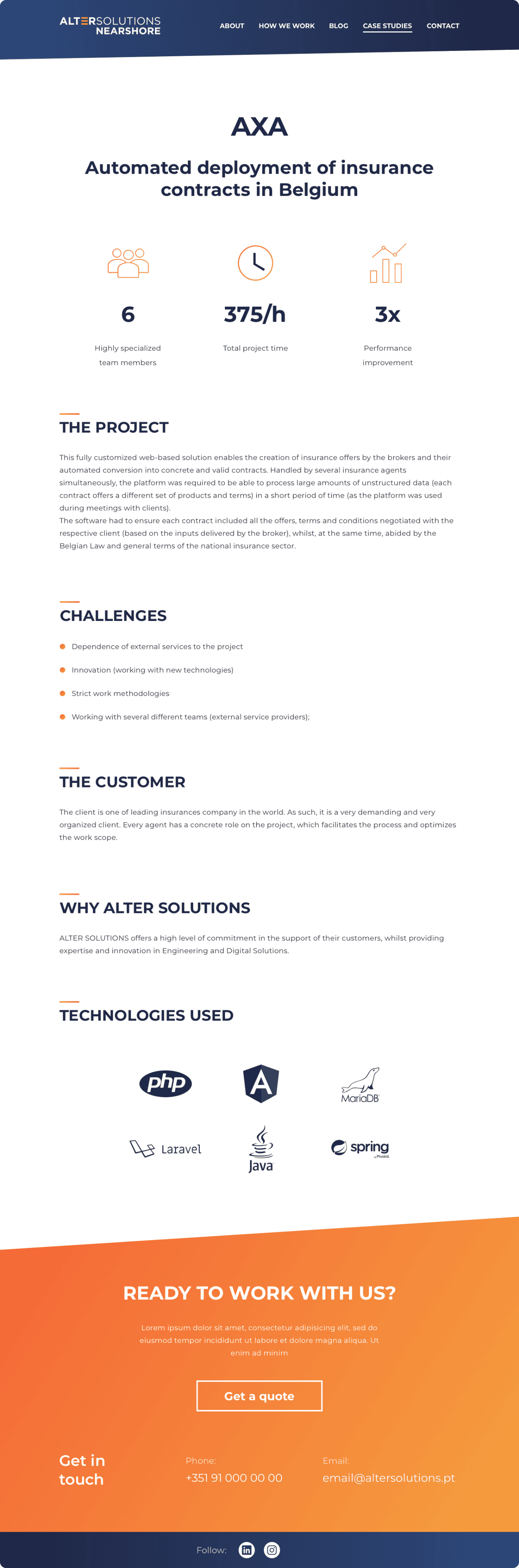
The index presents project work through cards with a title, short description, a read more action and a service legend, at a 2px Material radius kept consistent everywhere. The detail page opens with three key stats, then the project, challenges, the customer and the technologies used.
MY CONTRIBUTION
Designed the card system and the full detail layout, leading with the stat row (team size, project hours, performance gain) before the narrative.
06 • Conversation
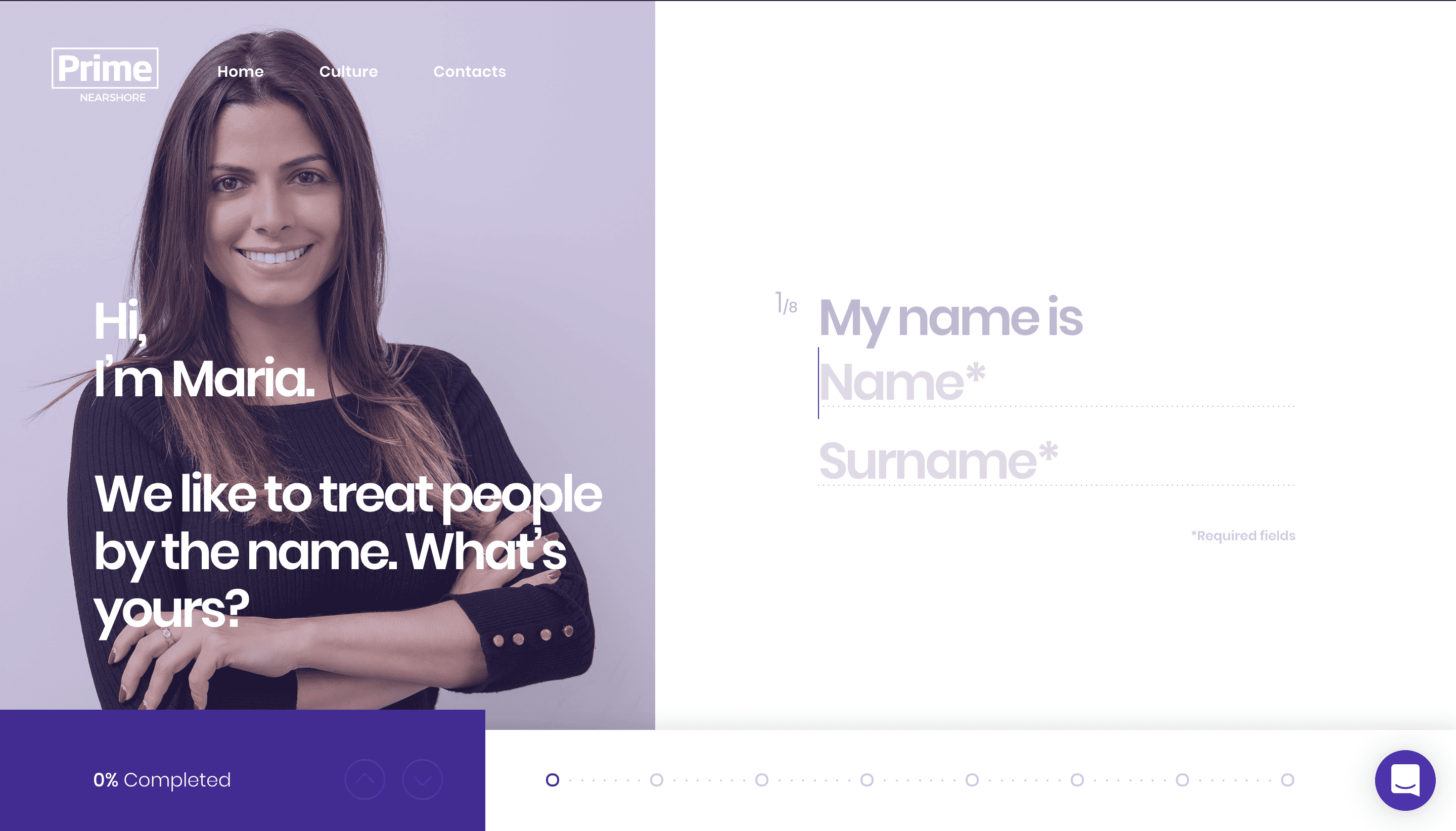
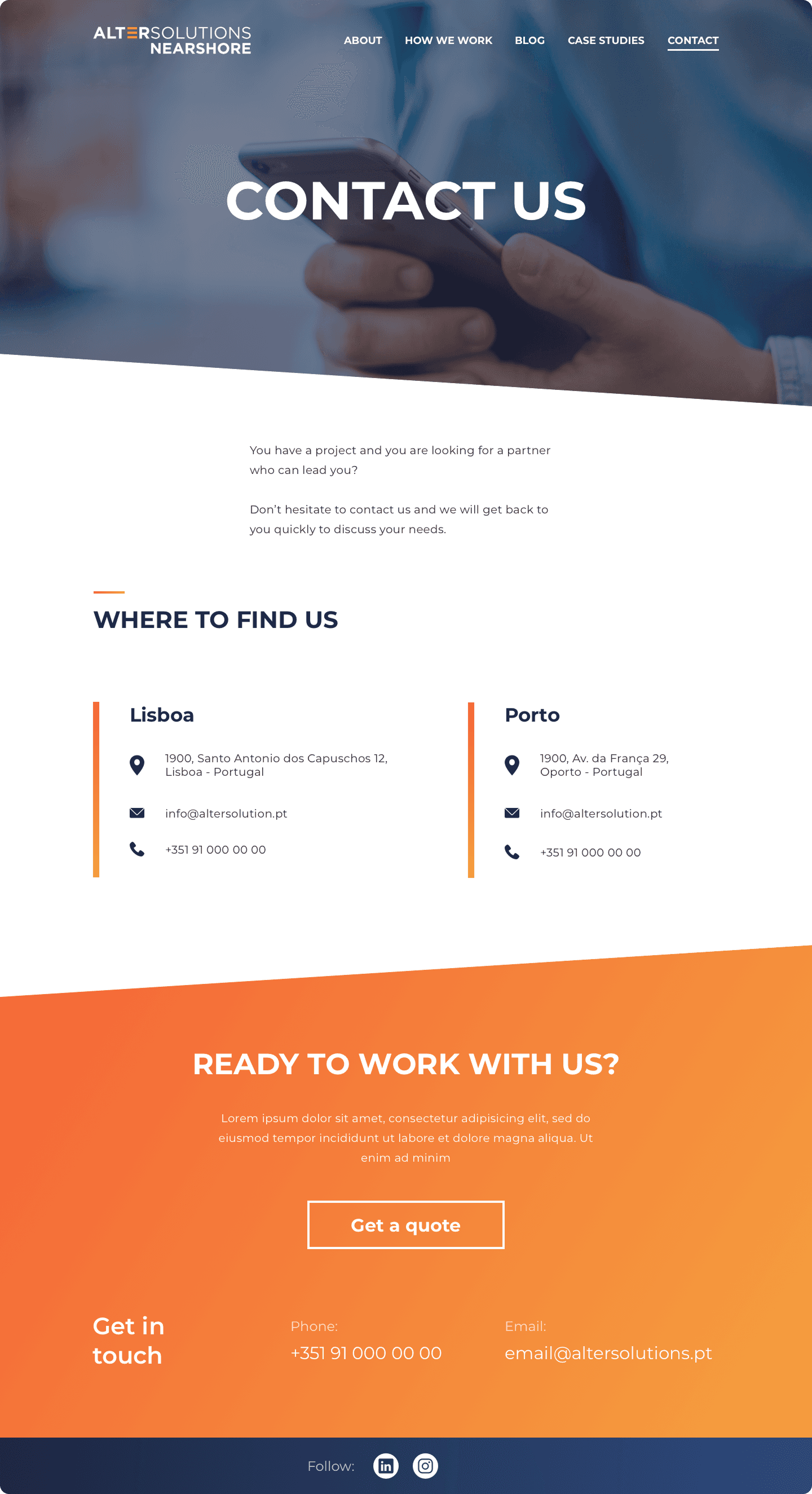
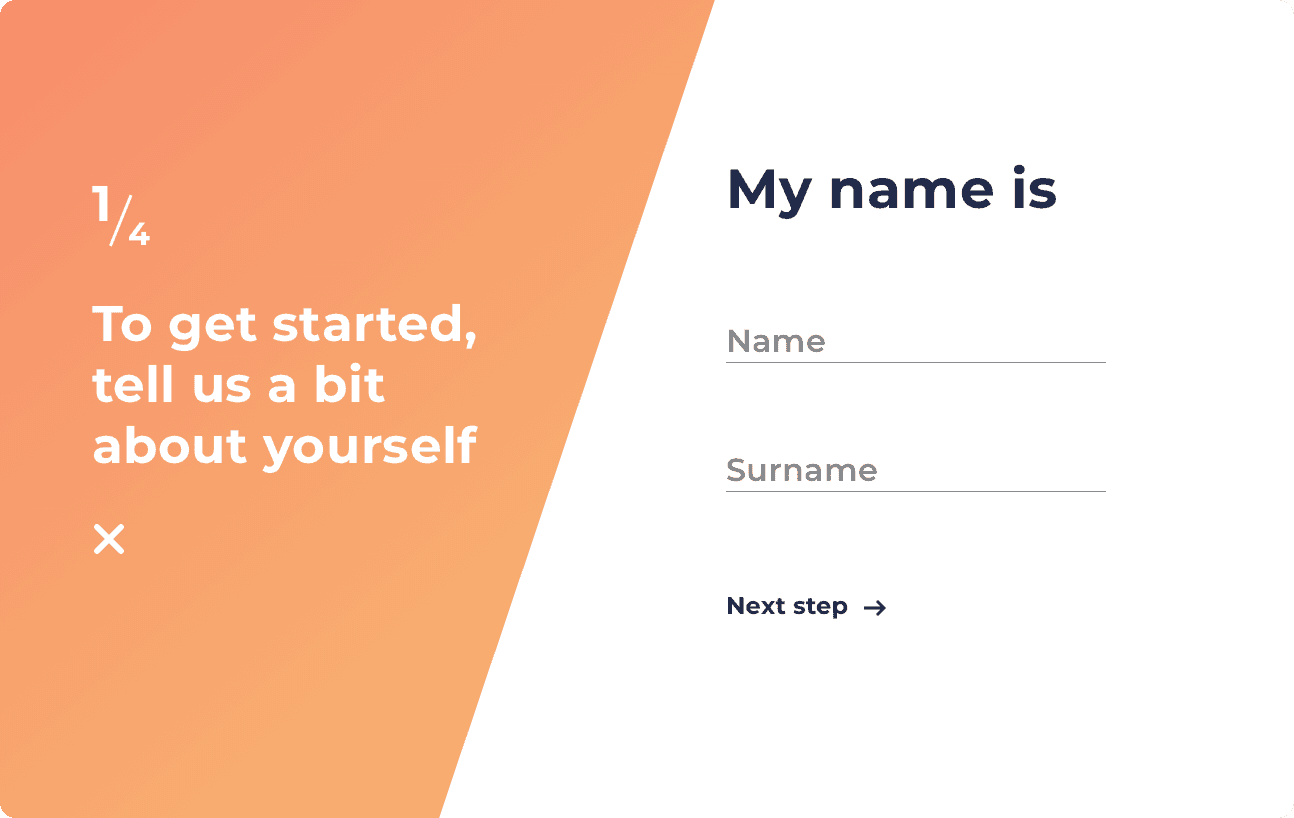
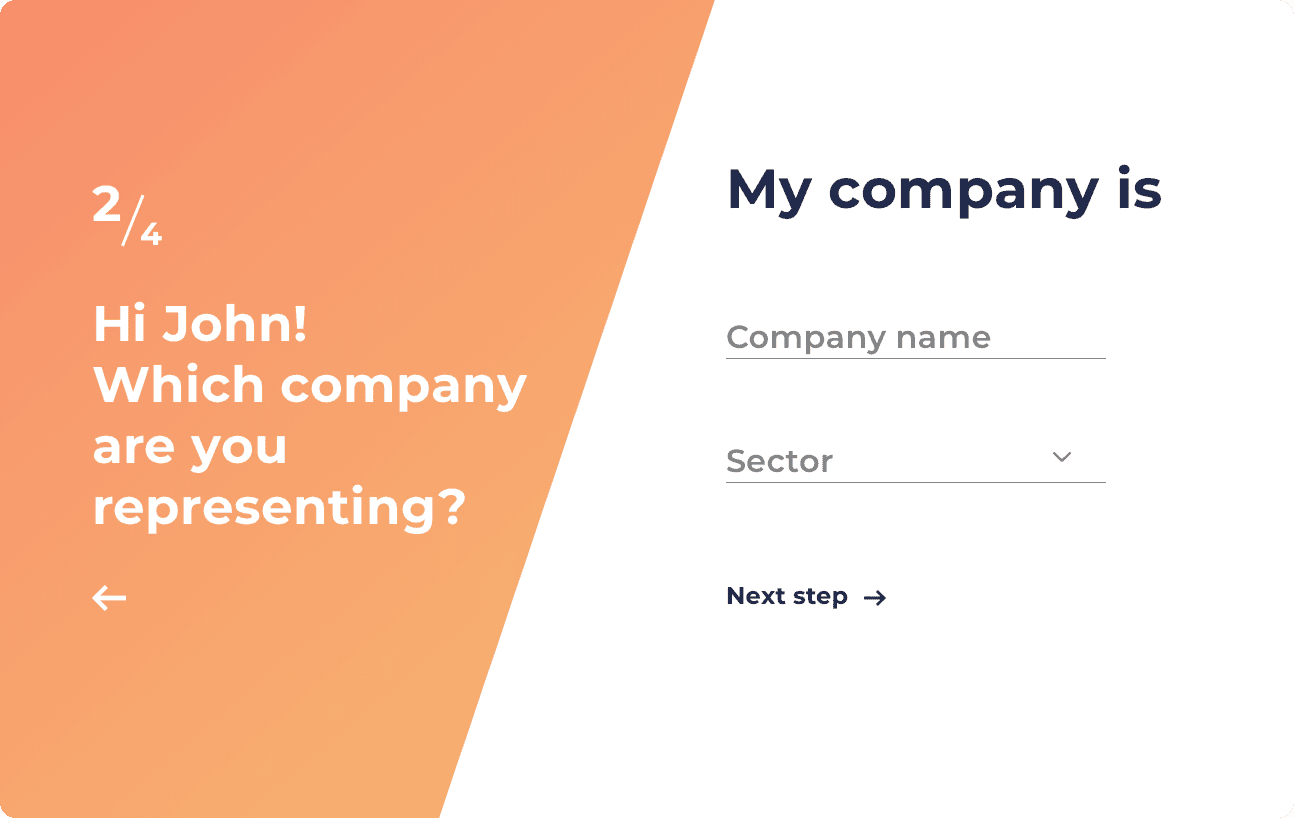
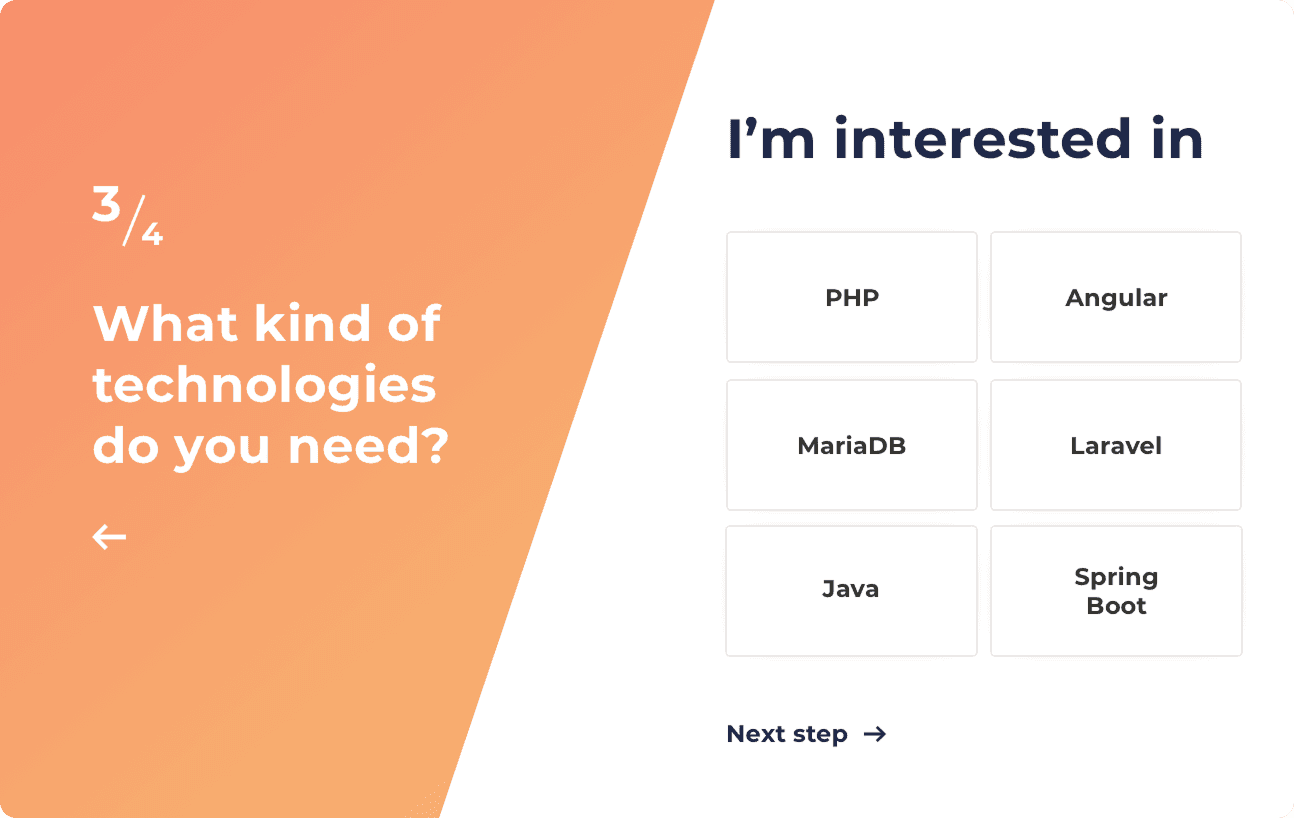
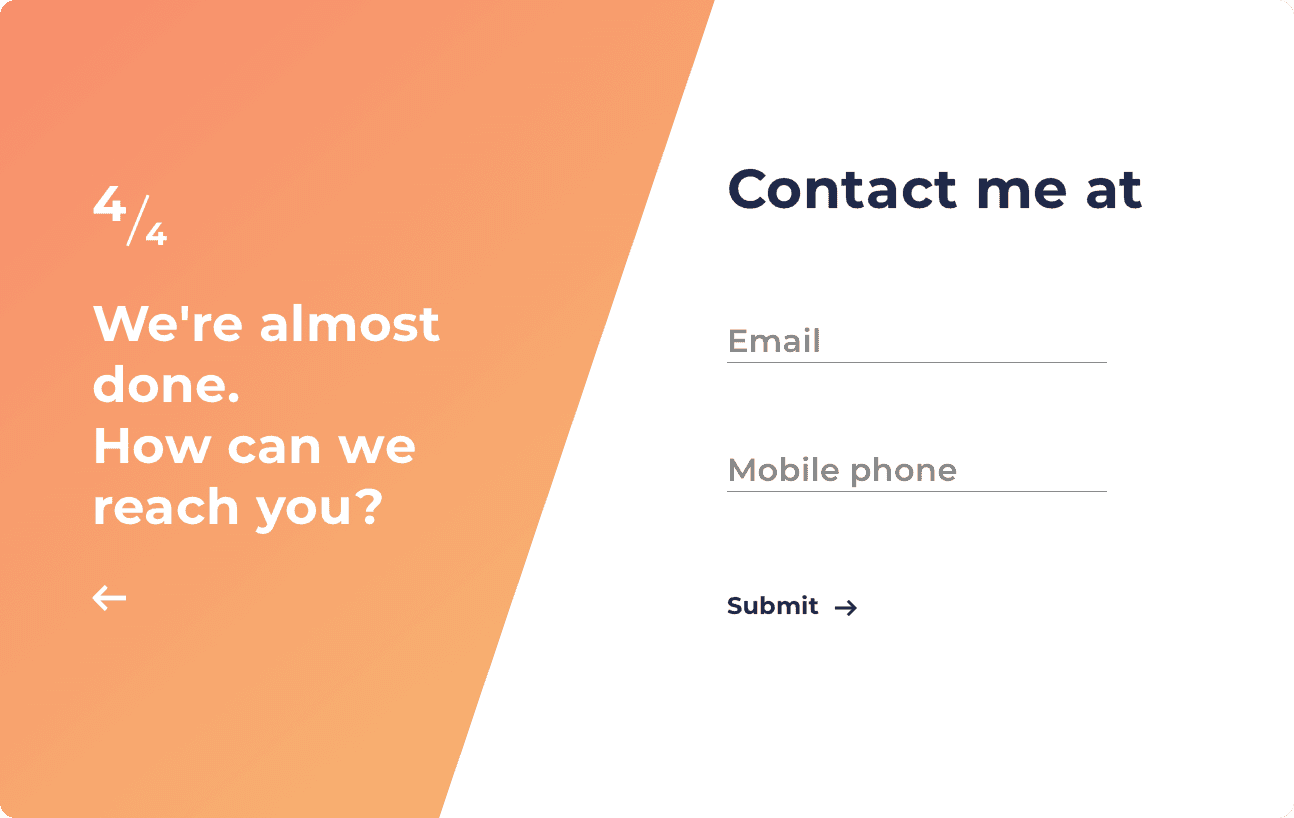
The contact page was stripped back to the essentials the client asked for, with the map removed from the hero in favor of a direct invitation to get in touch. The form itself is a four step flow: who you are, which company you represent, what technologies you need and how to reach you.
MY CONTRIBUTION
Redesigned the contact page around its core information and built the multistep flow, reframing a generic form into a guided, lower friction request.
End to end ownership
Reference, UX, UI and code in one project. Seeing a brief travel through every phase shaped how I think about design as a whole, not as isolated steps.
Research earns ideas
The strongest additions, "How we work" and the guided contact flow, came straight from studying the field rather than from taste alone.
Design that survives code
Building my own design taught me where clean visuals meet messy implementation, a lesson that still makes my handoffs sharper.
What I'd carry
forward
Fair warning: it's in Italian, so I'm not sure how much will come across. But the full project lives here, sketches, wireframes and all, so give it a look anyway :D